

Ergonomic Hair Brushes for Stylists: A Buying Guide
Table of Contents
- Why Ergonomic Hair Brushes Matter for Stylists
- Professional Hair Styling Brushes: Types and Applications
- Hair Color Application Brushes: Precision and Design
- Ergonomic Design Features That Reduce Hand Fatigue
- Hair Brushes for Fine Hair: Bristle Selection and Technique
- Salon Hair Brush Cleaning and Durability
- Choosing the Right Brush for Your Styling Task
- Common Mistakes Stylists Make When Selecting Brushes
- Frequently Asked Questions
Last Updated: October 13, 2026
Why Ergonomic Hair Brushes Matter for Stylists
Hand fatigue is real. This isn't just discomfort, it's a productivity killer that compounds over years. Ergonomic hair brushes for stylists are designed specifically to address this problem by reducing the physical demand on your hands during repetitive styling and color work.
The difference between a standard brush and an ergonomic one shows up immediately in how your hand feels after six hours of blending, applying, and defining. A brush with poor weight distribution forces your hand and forearm to work harder with every stroke.
At ESTL+CO, we've built our entire approach around what stylists actually need: tools that perform at the highest level while keeping your body intact. Our ergonomic feathered brushes are engineered with the specific demands of color work in mind, precision, control, and comfort working together, not against each other.
Professional Hair Styling Brushes: Types and Applications
Professional hair styling brushes come in distinct types, each engineered for different techniques and hair textures. Understanding which brush does what prevents you from forcing the wrong tool into the wrong job, a common mistake that leads to frustration, slower work, and poor results.
Round Brushes and Barrel Size
Round brushes are your primary tool for blowouts and creating volume and lift. The barrel size matters tremendously. Smaller barrels (1-2 inches) work best for shorter hair and precise curls. Medium barrels (2-3 inches) handle most everyday styling. Larger barrels (3+ inches) create loose waves and work on longer hair where you need to cover more surface area with each pass.
The weight of a round brush affects how much effort your hand expends during a blowout. A lightweight round brush with a silicone grip reduces hand fatigue during the 30-45 minute sessions that many stylists spend on a single client's hair. The barrel itself should have flexible pins that won't snag or pull hair, and the bristle pattern should be dense enough to grip without dragging.
Paddle Brushes for Control and Smoothing
Paddle brushes are your smoothing and detangling tool. The flat, wide surface distributes pressure evenly across the hair, preventing breakage and snagging that round brushes can cause. A good paddle brush has slightly flexible bristles that bend without snapping, and the handle should be long enough to give you reach without overextending your wrist.
For color application work, a paddle brush with soft, rounded bristles is essential. The bristles should never have sharp edges that can cut hair or scratch the scalp. Many stylists prefer paddle brushes with ergonomic handles that fit naturally in the hand rather than the traditional flat handles that can dig into your palm during extended use.
Vented Brushes for Faster Drying
Vented brushes have gaps in the barrel that allow air to flow through during blow-drying. This design reduces drying time significantly compared to solid barrels, which means less time holding the brush and less heat exposure for the client's hair. The vents also prevent the brush from getting too hot, which is a safety and comfort consideration during long styling sessions.
A lightweight vented brush with a comfortable grip is ideal for stylists who spend hours per day blow-drying. The weight distribution should keep the brush balanced in your hand so you're not fighting gravity with every stroke.
Hair Color Application Brushes: Precision and Design
Hair color application requires a different tool than general styling. Color brushes need precision, control, and the ability to apply product evenly without dripping or over-saturating.
Feathered brushes, the kind ESTL+CO specializes in, have bristles that taper gradually from base to tip. This design creates a softer edge that blends color smoothly while the stiffer base provides control.
The brush head size for color work should be 1-2 inches wide. Wider brushes cover more area but sacrifice precision. Narrower brushes take longer to apply color to the entire head but give you pixel-perfect control for detailed work.
The handle on a color brush matters as much as the bristles. You're gripping it firmly for 45-90 minutes per color service. A silicone or rubber grip that's slightly textured prevents your hand from slipping and reduces the grip strength you need to maintain control.
Ergonomic Design Features That Reduce Hand Fatigue
Hand fatigue comes from three sources: poor grip pressure (your hand has to squeeze too hard), poor weight distribution (the brush is too heavy or unbalanced), and poor wrist positioning (the handle forces your wrist into an awkward angle). The best ergonomic brushes address all three.
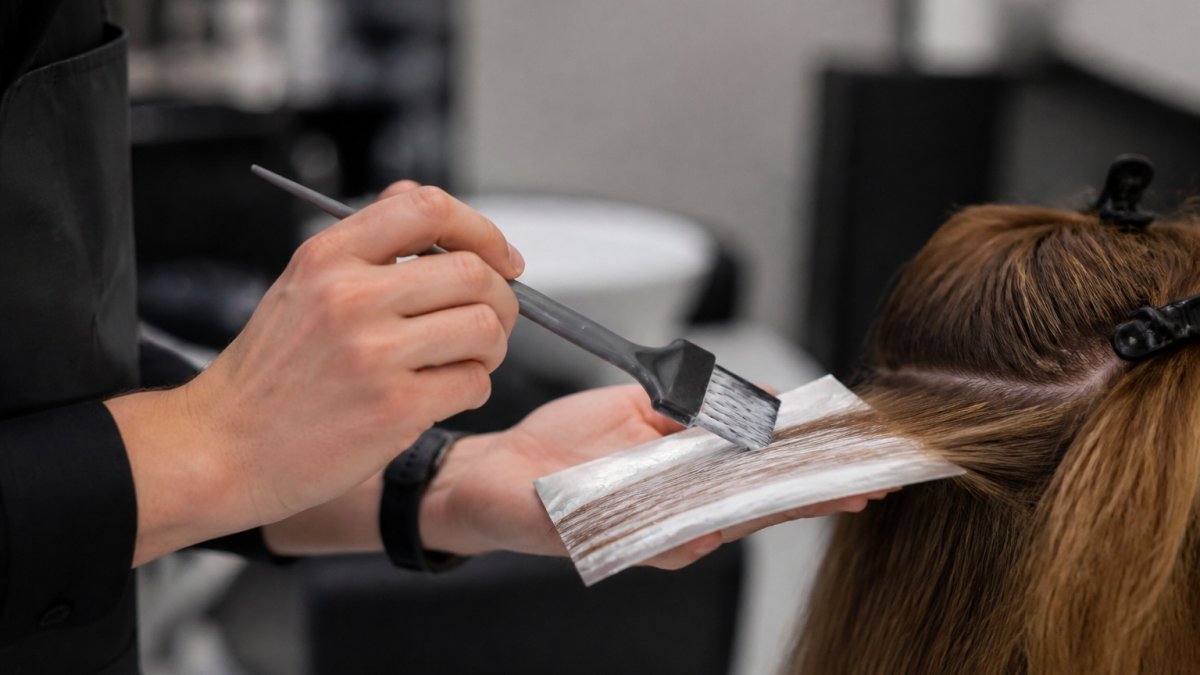
Handle Length and Silicone Grip
A handle that's too short forces your fingers to bunch up, which increases grip pressure and tires your hand faster. A handle that's too long becomes unwieldy and throws off your balance. The ideal handle length is 4-5 inches, which gives you enough surface to distribute grip pressure across your entire palm rather than concentrating it in your fingers.
Silicone grips are superior to plastic or wood for ergonomic reasons. Silicone doesn't get slippery when wet (which happens constantly in a salon), and it's softer on your skin, reducing pressure points. A textured silicone grip prevents your hand from slipping without requiring you to squeeze harder. Look for grips that are slightly tapered so they fit naturally in your hand rather than feeling like a cylinder.
Weight Distribution and Lightweight Construction
A brush that's too heavy tires your hand and arm, especially during extended color sessions. The ideal weight is under 3 ounces for a full-size color brush. But weight alone isn't the whole story, weight distribution matters more. A brush where all the weight is in the head (bristles and ferrule) feels heavier than one where the weight is balanced across the handle and head together.
The best ergonomic brushes use lightweight materials in the ferrule (the metal or plastic band holding the bristles) and distribute the remaining weight evenly. This prevents the "head-heavy" feeling that causes your wrist to work harder to maintain control. When you pick up an ergonomic brush, it should feel balanced in your hand, not like the bristles are pulling downward.
Hair Brushes for Fine Hair: Bristle Selection and Technique
Fine hair requires a different approach than thick or textured hair. The bristles must be gentle enough not to break delicate strands, but firm enough to provide control and detangle without leaving hair limp or flat.
For fine hair, use a brush with softer, more flexible bristles spaced slightly farther apart. Densely packed bristles can snag fine hair and cause breakage.
When applying color to fine hair, use a feathered brush with softer bristles. The tapered design of feathered bristles is gentler on fine strands while still providing the precision you need.
The weight of your brush becomes even more important with fine hair. A heavy brush can cause breakage just from the pressure of the brush itself. Choose the lightest brush available that still gives you the control you need.
Salon Hair Brush Cleaning and Durability
Salon brushes take a beating. They're exposed to color stains, heat from blow dryers, and daily wear from constant use. A brush that can't handle this environment will deteriorate quickly, forcing you to replace it frequently and losing money in the process.
Look for brushes with stain-resistant materials, especially in the ferrule and handle. ESTL+CO's stain-resistant tint bowls and brushes are designed to resist color absorption, which means they stay looking professional longer and are easier to clean.
Cleaning your brushes properly extends their life. Wash color brushes immediately after use with warm water and a gentle soap. Don't let color dry on the bristles, dried color hardens and damages the bristles.
Store brushes with bristles facing up in a clean container. Never store them bristles-down or wrapped tightly, which can bend the bristles permanently. A well-maintained brush lasts years; a neglected one deteriorates in months.
Choosing the Right Brush for Your Styling Task
Different tasks demand different tools. The mistake many stylists make is trying to use one brush for everything, which compromises both quality and your own comfort. Instead, build a toolkit where each brush has a specific job.
For blowouts on thick or long hair, use a large round brush (3+ inches) with a lightweight construction. For precise curls on shorter hair, use a small round brush (1-2 inches). For smoothing and detangling, use a paddle brush with soft bristles.
Consider your hand size when selecting brushes. Stylists with smaller hands often struggle with oversized handles that don't fit their grip.
Your work environment also matters. If you're constantly moving between locations (rental studio, mobile coloring), durability becomes even more important. A brush that can handle being packed up, transported, and used in different settings needs to be built for that level of abuse.
Common Mistakes Stylists Make When Selecting Brushes
The biggest mistake is prioritizing price over ergonomics and durability.
Another common error is using the wrong brush type for the job. Trying to apply color with a round brush, or create volume with a paddle brush, forces you to work harder and slower.
Many stylists also underestimate how much brush weight affects fatigue. A brush that feels "fine" in your hand for two minutes might be causing cumulative strain by hour six.
Finally, don't neglect brush maintenance. A brush that's clogged with old product or dried color doesn't perform well and wears out faster. Cleaning takes five minutes per brush per day.
Choosing the right tools is how you protect your body while delivering better results for your clients. Ergonomic hair brushes for stylists aren't a luxury, they're a necessity for anyone building a sustainable career in color work.
Frequently Asked Questions
Can an ergonomic hair brush really reduce hand fatigue during long salon shifts?
Yes. Ergonomic hair brushes reduce fatigue through lighter weight distribution, cushioned silicone handles, and balanced barrel design that minimizes wrist strain. Stylists working 8+ hour days experience cumulative strain from repetitive gripping and reaching. A properly designed ergonomic brush lowers grip force needed and distributes pressure across your palm instead of concentrating it in your fingers, which directly decreases muscle fatigue by end of shift.
What features make a professional hair styling brush suitable for color application?
Professional hair color application brushes need feathered bristles for precise blending, a comfortable handle for extended use, and bristles that hold tint without shedding. Rounded bristles prevent snagging and breakage on delicate sections. The brush should also have a flexible body that allows you to control product placement on small sections, foils, or detailed techniques like balayage. Weight and balance matter because color work requires steady hand control.
How should stylists clean and maintain salon hair brushes?
Clean brushes immediately after use by rinsing with warm water and mild shampoo to remove product buildup. For stain-resistant brushes, this prevents permanent discoloration from tint. Use a brush cleaner or old toothbrush to gently remove debris between bristles. Allow to air-dry completely before storing. Weekly deep cleaning with a clarifying shampoo removes accumulated residue. Proper maintenance extends durability and prevents bristle breakdown, especially important for stylists who transport tools between locations.
What type of brush works best for fine hair?
Fine hair requires brushes with flexible, rounded bristles that detangle without pulling or breaking strands. Paddle brushes with softer bristles and wider spacing work well for gentle smoothing. Avoid stiff, densely packed bristles that catch fine hair. Lightweight brushes reduce scalp stress during blow-drying. Vented brushes allow faster drying with less heat damage. For color application on fine hair, use feathered brushes with softer bristles to control product precisely without over-processing delicate strands.