

Stain Resistant Hair Tint Bowls: 7 Benefits Pros Trust
Table of Contents
- Why Standard Plastic Bowls Fail Working Colorists
- Professional Hair Color Mixing Bowl Materials: What Actually Resists Stains
- Benefit 1: Accurate Color Formulation on a Non-Porous Surface
- Benefit 2: Chemical Resistance Against Bleach Oxidation
- Benefit 3: Non-Slip Base for High-Volume Sectioning
- How to Clean Professional Hair Tint Brushes and Bowls the Right Way
- Why Stain Resistant Hair Tint Bowls Save Money Over Time
- Conclusion: Upgrade Your Color Station With Tools Built for Daily Use
- Frequently Asked Questions
Last Updated: September 6, 2026
Why Standard Plastic Bowls Fail Working Colorists
Most colorists discover the limitations of cheap plastic bowls mid-application, when a swipe of permanent color leaves a ghost that no amount of scrubbing will remove. The stain resistant hair tint bowls benefits become obvious the first time you mix a vibrant red or a heavy bleach formula in a bowl that was never designed for the chemical load of professional color work. Standard plastic is porous, which means pigments and oxidative dyes penetrate the surface rather than sitting on top of it.
The problem compounds quickly. A stained bowl compromises your ability to judge true color saturation, because you are constantly second-guessing whether the tone in the bowl matches the tone on the hair. The difference between a dedicated mixing vessel and a repurposed container is the difference between precision and guesswork.
Professional Hair Color Mixing Bowl Materials: What Actually Resists Stains
The material science behind professional hair color mixing bowl materials is straightforward: you need a non-porous surface that will not absorb pigment and will not react with the chemicals inside it. Polypropylene (PP) is the industry standard for this application, but not all PP is created equal. The grade of the polymer and the manufacturing process, injection-molded versus thermoformed, significantly impact its chemical resistance and longevity.

To understand why material choice matters, it helps to look at the chemistry involved. Permanent hair color relies on an alkaline environment (typically ammonia or monoethanolamine) to swell the hair shaft, while hydrogen peroxide acts as the oxidizer to develop the color (peer-reviewed research). Bleach lighteners push this even further, creating a highly reactive, exothermic mixture. These agents are aggressive solvents for many common plastics.
Here is a practical compatibility breakdown of materials you will encounter:
- Polypropylene (PP): Offers broad chemical resistance to ammonia, hydrogen peroxide, and alkalizing agents. Its non-polar, crystalline structure prevents pigment molecules from bonding to its surface. This is why it is the default choice for professional-grade bowls. Look for bowls labeled as food-grade or medical-grade PP, as these use higher-purity resins without fillers that can degrade or leach.
- Silicone: Highly flexible and inherently non-stick, making cleanup easy. However, silicone is more porous at a microscopic level than PP and can absorb odors from strong lighteners. It also has a higher coefficient of friction, which can make it less stable on a countertop unless it has a weighted or textured base.
- Melamine: Often used in cheaper bowls due to its hard, glossy finish. While it resists scratching, melamine is not fully inert. Prolonged exposure to high-volume peroxide can cause it to chalk or craze (develop fine cracks), creating hiding places for bacteria and pigment.
- Metal (Stainless Steel or Aluminum): A common mistake. Metals are reactive. Aluminum will corrode and pit when exposed to the alkaline pH of hair color, contaminating the formula with metallic salts that can alter the final shade (PubMed). Stainless steel is more stable but acts as a heat sink, which can affect the temperature of your mixture, critical when working with bleach, as temperature accelerates the oxidation process. Additionally, certain metallic ions can interact with dye molecules, causing unpredictable color shifts.
A key differentiator in professional bowls is the surface finish. A high-gloss, polished mold surface creates a denser, less porous exterior. This is the primary defense against staining. Cheaper bowls often have a matte or textured finish from a rougher mold, which provides microscopic anchor points for pigment to grip.
For a deeper dive into how specific dye families interact with plastics, consider this guide a starting point: direct dyes (like semi-permanent fashion colors) are large molecules that sit on the surface, while oxidative dyes (permanent color) are smaller and more reactive. The latter are the true test of a bowl's stain resistance. A bowl that withstands a 40-volume bleach and a vibrant red permanent color is a bowl that will handle anything else in your arsenal.
Benefit 1: Accurate Color Formulation on a Non-Porous Surface
A non-porous surface is the single most important factor in accurate color formulation. When your mixing bowl resists staining, you see the true tone of the color as it develops, without the muddying effect of residue from a previous formula. This matters most when you are working with fashion shades or pastel tones, where even a trace of leftover pigment can shift the final result.
The practical impact is measurable in your workflow. You spend less time scrubbing and re-rinsing between clients, and more time applying. For colorists doing back-to-back appointments, a bowl that rinses clean in seconds rather than minutes changes the pace of your entire day.
Benefit 2: Chemical Resistance Against Bleach Oxidation
Bleach oxidation is the most aggressive chemical process in a salon, and it will destroy inferior bowls quickly. The alkaline environment created by lighteners breaks down untreated plastics, leaving them cloudy, brittle, and prone to cracking mid-service. A bowl with proper chemical resistance maintains its structural integrity through hundreds of oxidation cycles.
This is where stain resistant hair tint bowls earn their keep. When you mix a lightener with 30 or 40 volume developer, the bowl must withstand both the chemical reaction and the heat it generates. Professional-grade polypropylene handles this load without warping or leaching, protecting both your formula and your investment in your toolkit.
Benefit 3: Non-Slip Base for High-Volume Sectioning
High-volume sectioning requires speed, and speed requires a bowl that stays exactly where you place it. A non-slip base prevents the bowl from sliding across your station when you reach for a foil or reposition your tint brush, which reduces both mess and the risk of cross-contamination between formulas.
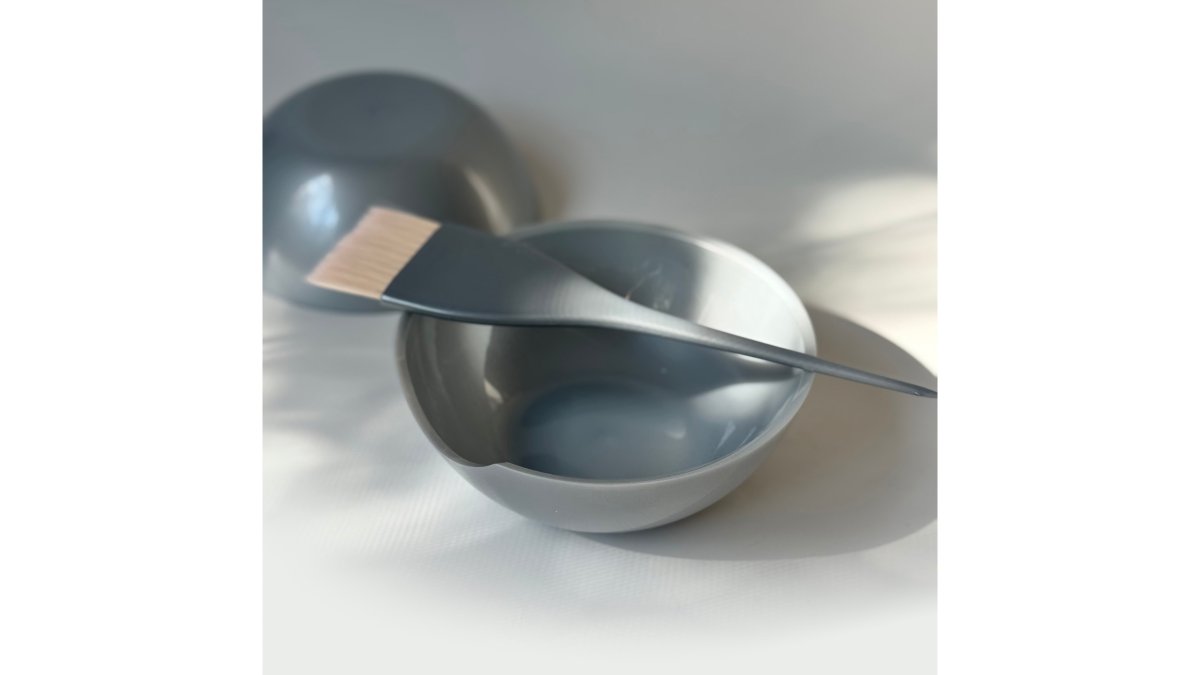
The ergonomic design matters here too. A bowl that fits comfortably in your palm, with a U-shaped cutout to rest your brush between sweeps, keeps your tools within reach and your movements efficient. When you are doing balayage or intricate foil work, the last thing you want is to chase a sliding bowl while your brush drips color onto the counter.
How to Clean Professional Hair Tint Brushes and Bowls the Right Way
Proper tool maintenance extends the life of your equipment and prevents color contamination between clients. For how to clean professional hair tint brushes and bowls, the process is simple: rinse immediately after use with warm water, then wash with a gentle sulfate-free shampoo or brush cleaner. Avoid abrasive scrubbers, which create micro-scratches that trap pigment.
But the standard advice misses a critical factor: the cumulative effect of cleaning agents on the polymer itself. Many colorists unknowingly shorten their bowl's lifespan by using the wrong cleaning chemistry. Here is what the material science suggests.
The Problem with Harsh Solvents
Acetone, barbicide, and alcohol-based sanitizers are common in salons, but they are detrimental to polypropylene over time (pubs.acs.org). While PP is resistant to many chemicals, repeated exposure to strong solvents can cause it to become brittle and develop stress cracks, a phenomenon known as environmental stress cracking (ESC). This is accelerated when the bowl is under physical stress, such as being squeezed or flexed during washing. Instead of a deep clean, you are compromising the structural integrity of the bowl.
The Developer Trick: A Chemical Approach to Stain Removal
This tip is not just a hack; it is based on the chemistry of oxidation. The stain left behind is often oxidized pigment that has bonded to micro-abrasions on the bowl's surface. A fresh dose of peroxide re-oxidizes that pigment, breaking the molecular bonds that hold it to the plastic. This is a targeted chemical reaction, not a physical scrubbing action, which is why it is safer for the bowl's finish.
A Longevity Test: What 50+ Uses Do to a Bowl
Most product reviews are based on a single use. The real test of a stain-resistant bowl is how it holds up after 50 or more cycles of mixing, staining, and cleaning. A high-quality polypropylene bowl will show minimal to no discoloration after this period, provided it is cleaned correctly. A lower-grade bowl, or one cleaned with abrasive pads, will show a distinct ghosting of past colors, particularly reds and violets, which are the most tenacious pigments.
To conduct your own longevity test, track these three factors:
- Visual Stain Index: After cleaning, hold the bowl under a bright white light. Rate the level of discoloration from 0 (pristine) to 5 (heavily stained).
- Surface Texture: Run a fingernail across the interior. A smooth surface indicates the finish is intact. A rough or tacky feel indicates the polymer is degrading or has been scratched.
- Structural Integrity: Check for any cloudiness, warping, or hairline cracks, especially around the rim and base. These are signs of chemical or thermal stress.
Drying and Storage: The Overlooked Step
Dry bowls upside down on a towel rack, and never stack them while wet, as trapped moisture can promote bacterial growth. This is also a critical step for preventing water spots, which are not stains but mineral deposits that can make the bowl look dirty. For a final polish, wipe the bowl dry with a microfiber cloth to maintain the high-gloss surface that resists future staining.
With consistent care, a quality bowl will outlast several generations of cheaper alternatives. The goal is not just to clean the bowl, but to preserve the integrity of the polymer so that its stain-resistant properties remain effective for years, not months.
Why Stain Resistant Hair Tint Bowls Save Money Over Time
The upfront cost of a professional bowl is higher than a drugstore alternative, but the total cost of ownership tells a different story. A cheap bowl that cracks, stains, or warps within months gets replaced repeatedly, while a durable, stain-resistant bowl from the ESTL+CO Hair Color Bowls collection handles daily use for years. For salon owners purchasing for a team, that durability difference compounds across every station.
| Bowl Type | Lifespan | Stain Resistance | Replacement Frequency |
|---|---|---|---|
| Standard Plastic | 3-6 months | Poor | Every few months |
| Metal | Varies | Good, but reactive | Risk of formula damage |
| Professional Polypropylene | 2+ years | High | Rarely |
The real savings come from consistency. When your tools perform identically every single day, you eliminate the variables that cause formula errors and re-dos. That reliability is worth more than the price difference on any receipt.
Conclusion: Upgrade Your Color Station With Tools Built for Daily Use
Your color station is only as good as the tools you put on it. A bowl that resists staining, withstands chemical stress, and stays put during high-volume work is not a luxury, it is a necessity for consistent, professional results. The stain resistant hair tint bowls benefits extend beyond aesthetics into the core quality of every formulation you mix.
For colorists who demand precision from every tool in their kit, the Hair Color Bowls from ESTL+CO deliver the stain resistance, ergonomic design, and chemical durability that professional work requires. Designed by a pro for pros, these bowls feature a U-shaped cutout that holds your brush in place between sweeps, keeping your workflow smooth and your station clean. Get started with ESTL+CO and upgrade your color station with tools built for daily use.
Frequently Asked Questions
Does hair dye permanently stain standard plastic mixing bowls?
Yes. Standard plastic bowls are porous, so permanent color and bleach molecules lodge into microscopic scratches and pores. Over time, the bowl becomes permanently discolored and can even harbor residue that contaminates future formulations. Stain-resistant bowls use a non-porous surface that prevents pigment from absorbing, so they rinse clean after each use.
What materials are best for hair color mixing bowls?
Polypropylene and other high-density, non-porous plastics are the standard for professional hair color mixing bowl materials. These resist chemical breakdown from bleach and color, clean easily, and withstand repeated daily use. Avoid metal bowls entirely: metal can react with bleach and developer, altering the formula and potentially oxidizing the color.
How do stain-resistant bowls improve salon efficiency?
Because the non-porous surface rinses clean in seconds, you skip the scrubbing and soaking that plastic bowls demand between clients. A clean bowl also means your next formula is accurate, with no leftover pigment from the previous application. In a high-volume salon, saving a few minutes per bowl across a full day of color appointments adds up to real time savings.
Are there specific benefits to using non-slip, stain-resistant tinting tools?
Non-slip bases keep the bowl steady while you mix and load your brush, which reduces spills and wasted product. Combined with stain resistance, these tools support precise application: the bowl stays put, the surface stays clean, and your color stays true. For complex techniques like balayage, that stability translates directly to cleaner sections and better control.