

Are Expensive Tint Bowls Worth It? A 2026 Pro Guide
Table of Contents
- What Separates a $19 Tint Bowl From a $3 One
- Best Hair Color Mixing Bowls for Salons: What to Look For
- How to Clean Professional Hair Tint Brushes and Bowls
- Durability Test: How Long Do Premium Tint Bowls Actually Last?
- When Cheap Tint Bowls Cost You More
- The Verdict: Who Should Invest in Professional Tint Bowls
- Frequently Asked Questions
Last Updated: September 10, 2026
What Separates a $19 Tint Bowl From a $3 One
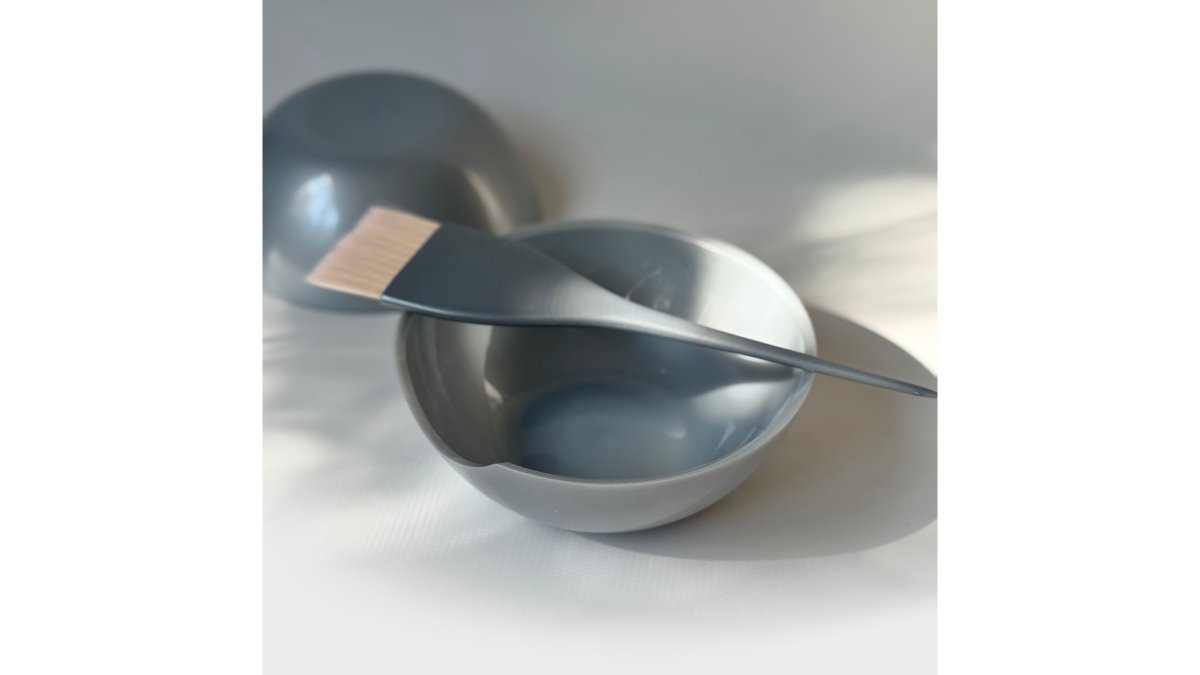
The gap between a cheap tint bowl and a professional-grade one comes down to material composition, wall thickness, and how the surface reacts to pigment over hundreds of uses. A basic bowl from a beauty supply store is typically thin, flexible plastic that absorbs dye within weeks. A professional bowl like the ESTL+CO Hair Color Bowl ($19.00) uses a denser, stain-resistant polymer with a weighted base and a U-shaped brush rest cut into the rim.

That brush rest matters more than most colorists expect. It holds the brush in place between sweeps, which cuts down on drips and keeps your station cleaner during back-to-back applications.
Material composition and stain resistance
Stain resistance is the ability of a bowl's surface to resist pigment absorption into its molecular structure. Dye-based color, especially reds, violets, and blacks, penetrates porous or low-density plastic and leaves permanent staining that no amount of scrubbing removes.
Higher-density polymers resist this because their molecular structure is tighter. Pigment sits on the surface rather than soaking in. In practice, this means a professional bowl still wipes clean after a level 5 red, while a budget bowl carries that color forever.
The real cost per use calculation
Cost per use is where the math gets uncomfortable for cheap bowls. A $3 bowl replaced every two to three months costs roughly $12 to $18 per year per bowl. A $19 bowl that lasts two or more years costs under $10 annually, and you stop replacing it mid-color service.
| Bowl Type | Upfront Cost | Typical Lifespan | Annual Cost | Stain Resistance |
|---|---|---|---|---|
| Budget plastic | $3 | 2-3 months | $12-$18 | Poor |
| Mid-range | $8-$12 | 6-12 months | $8-$24 | Moderate |
| Professional-grade | $19 | 2+ years | Under $10 | High |
The cost-benefit ratio flips in favor of the professional bowl by year two.
Best Hair Color Mixing Bowls for Salons: What to Look For
The best hair color mixing bowls for salons share four traits: a stable base, a brush rest, stain-resistant material, and a size that fits comfortably in the palm during long services. Everything else is preference.
Here's what to evaluate before buying:
- Base stability: A weighted or wide base prevents tipping when you set the bowl down mid-application.
- Brush rest: A U-shaped cutout keeps the brush secure and reduces mess between sweeps.
- Wall thickness: Thicker walls resist flexing, which matters when you're whipping lightener to a smooth consistency.
- Capacity: Most colorists work comfortably with a bowl that holds enough product for a full retouch without refilling.
- Ergonomics: A bowl that sits naturally in your hand reduces wrist fatigue across a packed day.
ESTL+CO's bowls were designed specifically around these criteria, with a palm-fit shape that keeps your mixing hand relaxed through a full column of clients.
How to Clean Professional Hair Tint Brushes and Bowls
Cleaning professional hair tint brushes and bowls properly takes under two minutes per service if you do it immediately, and considerably longer if you let color cure. The routine is simple: rinse, wash, dry, and inspect.
Daily maintenance routine
Rinse both the bowl and brush under warm water as soon as the service ends. Work a small amount of mild soap into the bristles with your fingers, pushing from the ferrule toward the tips. Rinse until the water runs clear, then stand the brush bristle-down to dry.
- Rinse bowl and brush immediately after service
- Wash bristles with mild soap, ferrule to tip
- Rinse until water runs clear
- Dry brush bristle-down, bowl upside down
- Inspect for pigment buildup at the ferrule
Deep cleaning stubborn color stains
For pigment that's already set in, soak the bristles in warm water with a drop of shampoo for ten minutes, then comb through with a fine-tooth brush comb. Avoid bleach or harsh solvents, which degrade bristle fibers and shorten brush life (the EPA). A stain-resistant bowl usually needs nothing more than a warm rinse and a wipe.
Durability Test: How Long Do Premium Tint Bowls Actually Last?
A premium tint bowl used daily in a high-volume salon typically lasts two to three years before showing meaningful wear (peer-reviewed research). The failure points are the rim, the brush rest, and the base, not the bowl body itself. Understanding why those three areas fail first tells you what to inspect before you buy and when to retire a bowl.
Where bowls actually fail, and why
The rim. Every time you scrape a brush against the rim to knock off excess color, you abrade the edge. On thin budget plastic, that abrasion creates micro-fissures within months. Developer and dye seep into those fissures, and the rim starts to look permanently dirty even after washing. On a denser polymer, the rim holds its edge far longer because the surface resists both abrasion and absorption.
The brush rest. The U-shaped cutout takes repeated pressure from a brush being set down and picked up dozens of times per service. On a flexible bowl, the cutout flexes and eventually cracks at the corners of the notch. A rigid, thicker-walled bowl distributes that pressure and keeps the rest intact.
The base. This is where mobile colorists see the fastest wear. Cracking at the base and rim chipping are the most common issues, usually from being tossed in a bag without a case. A bowl with thicker walls handles transport far better than thin budget plastic, which cracks at the corners within months of regular packing.
Salon use vs. mobile use: two different wear curves
A bowl that never leaves the station wears on a slow curve. It sees pigment, peroxide, and repeated washing, but it is not being flexed, dropped, or stacked against other tools. Most practitioners find a station-bound premium bowl holds up for years with nothing more than the daily rinse routine.
A bowl that travels wears on a fast curve. It gets packed, unpacked, set on unfamiliar counters, and knocked against brushes and clips. The single biggest durability upgrade for a mobile kit is not a more expensive bowl, it is a case or a dedicated compartment that stops the bowl from flexing in transit.
Color stability: the wear you can see from across the room
Color stability holds up well in professional-grade bowls. The surface does not yellow or cloud the way cheaper plastics do after repeated exposure to peroxide and developer. That color stability is what keeps the bowl looking professional on your station, not just functional. A bowl that has gone cloudy reads as an old tool to a client, even if it is still structurally sound.
A quick end-of-life inspection
Run this check every few months:
- Rim: Look for hairline cracks or a permanently stained edge that no longer wipes clean.
- Brush rest: Check the corners of the notch for cracking or flex.
- Base: Flex the base gently. If it moves more than it used to, the polymer is fatiguing.
- Surface: Hold it under light. Cloudiness or yellowing means the surface has degraded.
- Interior: Any rough or pitted texture inside means pigment is now soaking in.
If two or more of those boxes are checked, the bowl has reached the end of its useful life. Replacing it is cheaper than fighting stains and risking a mid-service crack.
When Cheap Tint Bowls Cost You More
Cheap tint bowls cost more than their sticker price suggests, and the expense shows up in four places: replacement frequency, wasted product, service interruptions, and the perception cost of a stained station. Most articles stop at replacement frequency. The other three are where the real money hides, and they are the part of the math that a cost-per-use table alone will not show you.
Wasted product is the quiet line item
A bowl that flexes when you whip lightener spills product. That spill is not just mess, it is color you mixed, measured, and paid for, now on the counter instead of on the client. Over a year of daily work, the product lost to flexing bowls and unstable bases adds up faster than most colorists expect. A rigid bowl with a wide, weighted base keeps the mixture where it belongs.
Service interruptions have a real cost
A bowl that cracks mid-service sends you digging through a drawer while your client waits. That is dead time in the chair, and it happens at the worst possible moment, mid-application, with gloves on and color already mixed. A backup bowl solves the immediate problem, but the interruption still costs you rhythm and, on a packed day, minutes you cannot get back.
The perception cost nobody prices in
A bowl that stains permanently looks unprofessional in front of clients. Clients notice the tools on your station, even if they never say anything. A cloudy, stained bowl undercuts the impression created by clean towels, sharp shears, and a tidy setup. This is the cost that does not show up on a receipt, but it is the one salon owners tend to care about most once they see it.
The hidden-cost comparison
| Hidden Cost | Budget Bowl | Professional Bowl |
|---|---|---|
| Replacement frequency | Every 2-3 months | Every 2-3 years |
| Product lost to flexing/spills | Frequent | Rare |
| Mid-service failures | Common | Uncommon |
| Station appearance over time | Stained, cloudy | Clean, stable |
| Backup bowls needed on hand | Several | One |
The upfront investment in a professional bowl is small compared to the cost of constantly replacing cheap ones. Many salon owners find that switching their team to durable, stain-resistant bowls reduces supply reordering and keeps stations looking consistent. The savings are not dramatic in any single month, they are steady, and they compound across a full client book.
The Verdict: Who Should Invest in Professional Tint Bowls
Professional tint bowls are worth it for anyone coloring hair more than a few times a week. If you're a full-time colorist, a freelancer, or a salon owner equipping a team, the cost per use math favors the professional option within the first year.
If you color occasionally, a mid-range bowl will serve you fine. The break-even point sits around two to three services per week.
For high-volume colorists, the case is clear. ESTL+CO's stain-resistant bowls and ergonomic feathered brushes are built for the pace of a working color studio, with a palm-fit design and brush rest that reduce mess and hand strain across a full day of clients. The upfront investment pays back in durability, color stability, and a station that looks as professional as your work.
The real question isn't whether expensive tint bowls are worth it, but whether your current tools are costing you time and product every week. ESTL+CO designs salon-grade tint bowls and feathered brushes specifically for professional colorists who need precision, stain resistance, and ergonomic comfort in every service. Explore the Elegance Collection and equip your studio with tools built to handle the demands of a full client book. Get started with ESTL+CO and upgrade the tools you reach for every single day.
Frequently Asked Questions
Are stain-resistant tint bowls worth the investment?
For colorists working with high-pigment formulas like reds and blacks, yes. Stain-resistant tint bowls resist absorbing dye into the material, so they stay cleaner and look professional longer. A standard bowl may stain permanently after a few uses, while a stain-resistant option holds up for months. Consider how often you mix intense colors and whether visible staining affects client perception.
Do cheap tint bowls affect hair color mixing?
They can. Inexpensive bowls often have uneven surfaces or flexible walls that make it harder to achieve a smooth, consistent mix. The material may also react with certain developers, causing discoloration. A rigid, smooth-walled bowl gives you better control over consistency, which matters when you are matching formulas or working with lighteners that need precise activation.
How often should you replace hair color tint bowls?
Replace bowls when you notice cracks, deep scratches, or persistent staining that will not wash out. With daily use, a quality bowl lasts six to twelve months. Cheap bowls may need replacing every few weeks if they warp or stain quickly. Track how many bowls you buy in a year to see the real cost difference between cheap and professional options.
What features should professional colorists look for in a tint bowl?
Look for a bowl that fits comfortably in your palm, has a stable base that will not tip, and includes a brush rest or cutout to keep your workspace organized. Stain-resistant material matters if you work with dark or vivid colors. Also check the weight: a bowl that is too light slides around, while one that is too heavy causes hand fatigue during long appointments.