

Precision Tint Brushes for Uniform Color Application
Table of Contents
- What Makes Precision Tint Brushes Essential for Uniform Application
- Choosing the Right Bristle Type and Brush Geometry
- Best Tools for Balayage and Foil Techniques
- How to Achieve Uniform Hair Color Saturation
- Maintenance and Cleaning for Long-Term Performance
- Professional-Grade Brushes vs. DIY Tools
- Troubleshooting Common Application Errors
- Conclusion
Last Updated: August 30, 2026
What Makes Precision Tint Brushes Essential for Uniform Application
Precision tint brushes are the foundation of professional hair coloring work. They're not just tools, they're the difference between a color service that looks blended and seamless versus one that shows streaks, uneven saturation, and visible application marks.
A precision tint brush controls pigment distribution with exact pressure and placement. When you're working with viscosity-heavy formulas, managing color saturation across different hair densities, or executing complex techniques like balayage with foils, the brush becomes your most critical piece of equipment. The wrong tool forces you to compensate with technique, more passes, more pressure, more time. The right tool lets the formula do the work.
Most colorists underestimate how much their brush choice affects hand strain by the end of a long day. An ergonomic design with proper weight distribution reduces tension in your fingers and wrist. That matters when you're doing 8-10 color services daily. ESTL+CO designs precision tint brushes specifically for this reality, feathered bristles that respond to your hand's natural movement, reducing the compensatory grip strength most brushes demand.
The core reason precision tint brushes matter comes down to control. You need maximum control over bristle density, bristle flexibility, and tip geometry to achieve uniform color application. That control prevents bubble reduction failures, manages crease prevention in foil work, and lets you apply tint film evenly across sections without overlap marks or gaps.
Choosing the Right Bristle Type and Brush Geometry
The bristle material you choose determines how your brush responds to viscosity, how long it lasts, and how easily it cleans. This is where synthetic versus natural bristles creates a real performance difference.
Synthetic vs. Natural Bristles
Synthetic bristles dominate professional tint work for one reason: chemical resistance. Hair color formulas contain ammonia, peroxide, and pigment molecules that degrade natural bristles over time (peer-reviewed research). A natural bristle brush used regularly with permanent color will fray, lose shape, and become unreliable within months. Synthetic bristles resist this degradation, maintaining their tapered tip and bristle density through dozens of uses.
Synthetic fibers also offer better control with thicker formulas. When you're working with a viscous tint, synthetic bristles hold their shape under pressure, giving you the firm bristles needed for precise application. Natural bristles tend to flex and splay more, which works well for water-based applications but creates inconsistent pigment distribution with color formulas.
The trade-off is that synthetic bristles require different cleaning protocols. They don't absorb moisture the way natural bristles do, so water can pool between bristles and cause bacterial growth if you don't dry them properly. That's why sanitization protocols matter more with synthetic brushes.
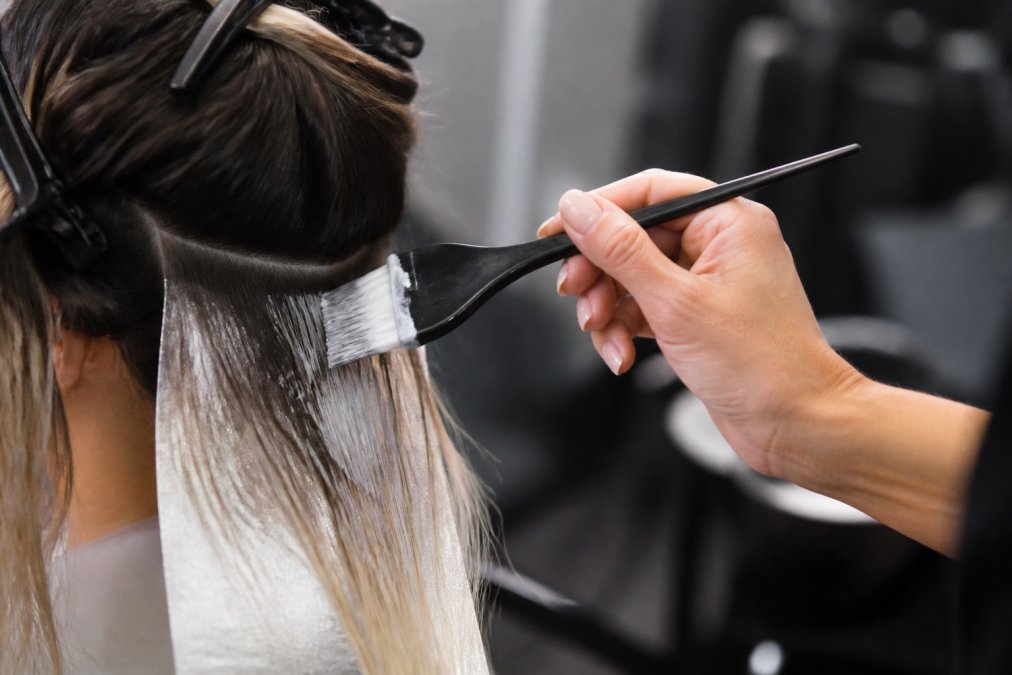
Tapered Tips and Bristle Density for Maximum Control
A tapered tip is the geometry that separates precision brushes from general-purpose applicators. The bristles narrow to a fine point, concentrating pigment exactly where you place them. This prevents the diffuse application that happens with flat-edge or rounded brushes.
Bristle density, how tightly packed the bristles are, controls how much formula the brush holds and releases. High-density bristles hold more pigment, which is useful for base color application where you need full coverage. Lower density works better for balayage and foil techniques where you're placing color on specific sections and need to see the hair beneath as you work.
The ESTL+CO Hair Color Brush uses a feathered tip design that combines tapered geometry with flexible bristles. This means you get precision placement without the stiffness that makes some brushes uncomfortable to hold for extended periods. The feathered design also creates a wider base, which makes for an easier grip and reduces hand fatigue, something that matters when you're doing 8-10 applications per day.

Best Tools for Balayage and Foil Techniques
Balayage and foil work demand different brush characteristics than traditional sectioning and application. You're not covering the entire section uniformly, you're placing color strategically on specific strands or subsections.
For balayage, you need a brush that lets you see the hair as you work. A narrower brush with moderate bristle density gives you visibility and control. You're hand-painting color onto specific strands, so precision tip geometry is critical. The brush needs to respond to subtle pressure changes as you move it along the hair shaft, which means flexible bristles that don't fight your hand.
Foil work is different. You're applying color to pre-sectioned hair with a barrier underneath, so you can use slightly higher pressure without worrying about color bleeding onto surrounding hair. A brush with firmer bristles and higher density works better here because you need to saturate the section completely without multiple passes. The firm bristles also prevent the brush from bending when you're working in tight foil sections.
The mistake many colorists make is trying to use the same brush for both techniques. A compromise brush doesn't excel at either. If you're doing complex color work regularly, you want two brushes: one optimized for balayage precision, another for foil saturation.
How to Achieve Uniform Hair Color Saturation
Uniform color saturation starts before you touch the brush to hair. It begins with how you section, how you prepare your formula, and how you understand pigment distribution across different hair densities.
Pigment Distribution and Application Technique
Pigment distribution is the science of getting color molecules to reach every strand evenly. Hair density varies across the head, the crown is typically denser than the nape, and individual sections have varying porosity. A uniform application technique compensates for these differences.
The technique starts with bristle angle. When you apply tint at a 45-degree angle to the hair shaft, the bristles separate individual strands and allow formula to penetrate (peer-reviewed research). A perpendicular application (90 degrees) pushes the formula against the cuticle without allowing penetration. Most colorists intuitively adjust this angle, but understanding it consciously helps you maintain consistency across all sections.
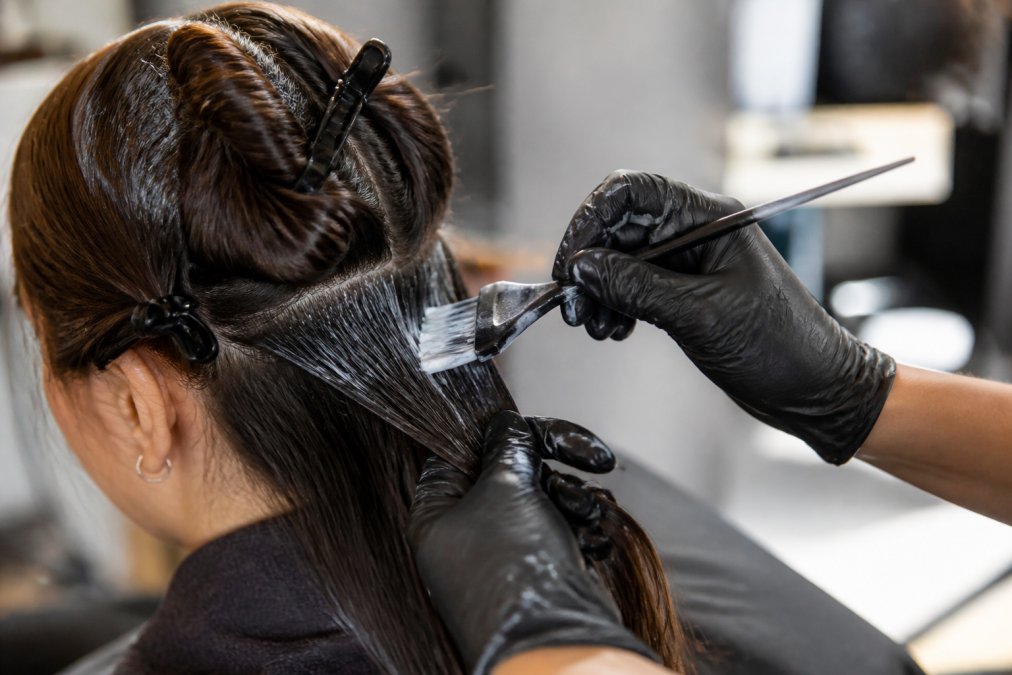
Saturation also depends on how much formula you're depositing per pass. A brush with moderate bristle density and flexible bristles allows you to control release rate. You can apply light saturation with reduced pressure, then add additional passes where needed. This prevents over-saturation in fine-hair sections and ensures adequate saturation in coarse areas.
The common mistake is assuming one application pass is enough. Professional colorists typically make 2-3 passes through each section, adjusting pressure based on how the formula is taking. The first pass saturates the base. The second pass ensures complete coverage. The third pass is your quality check, you're looking for any missed strands or areas where the tint film hasn't fully formed.
Managing Viscosity and Preventing Streaks
Viscosity, the thickness of your formula, directly affects how the brush applies it. A thin, runny formula releases too quickly and spreads unevenly. A thick formula resists flow and creates application lines if you're not careful.
Managing viscosity means understanding how your specific formula behaves and adjusting your technique. Some colorists add processing solution gradually to thicken the formula during application. Others use a brush with higher bristle density to control release rate when working with thinner formulas.
Streak prevention comes down to overlap. Every pass of the brush should overlap the previous one by about 30 percent (peer-reviewed research). This creates a continuous film of color without gaps. If you're seeing streaks, it usually means either insufficient overlap or inconsistent pressure between passes.
The bristle flexibility matters here too. Firm bristles create distinct application lines because they don't conform to the hair's natural texture. Flexible bristles follow the contour of the section, creating smoother transitions between application passes. This is why feathered bristles reduce visible streaks, they're flexible enough to blend application lines while still maintaining the tapered tip precision you need for placement.
Maintenance and Cleaning for Long-Term Performance
A precision tint brush is a significant investment. Proper maintenance extends its life and keeps it performing at peak precision.
Sanitization Protocols and Stain Prevention
Color formula stains synthetic bristles permanently if you don't clean immediately after use. The pigment molecules bond to the synthetic fiber, and once they set, they don't come out. Immediate cleaning, within minutes of finishing an application, prevents this.
The cleaning protocol is straightforward: rinse bristles under warm running water while gently working out the formula with your fingers. Use a mild shampoo or brush cleaner to break down any remaining pigment. Rinse thoroughly until the water runs clear. Then dry completely before storing.
Drying is critical. Leaving a wet brush sitting in a drawer creates an environment for bacterial growth and can cause bristles to warp as they dry unevenly. Most professionals use a clean towel to absorb excess water, then stand the brush bristles-up in a cup or holder to air dry completely.
Stain prevention is about understanding which formulas stain more. Permanent color stains more readily than demi-permanent. Darker shades stain more than lighter ones. If you're working with heavy stainers, consider having a dedicated brush for those services so you're not constantly fighting discoloration on your primary brushes.
Chemical resistance is why synthetic bristles matter for maintenance. A natural bristle brush exposed to color formula and cleaning chemicals will deteriorate faster. Synthetic bristles tolerate the cleaning agents you need to maintain them properly.
Professional-Grade Brushes vs. DIY Tools
The difference between professional-grade and DIY brushes comes down to material consistency, bristle engineering, and ergonomic design.
A professional-grade brush uses high-quality synthetic fibers with consistent diameter and uniform bristle length. This creates predictable performance, every brush behaves the same way, which matters when you're doing 10+ applications per week. DIY brushes often use lower-grade synthetic fibers with variable bristle quality. You get inconsistency between brushes and even within the same brush as bristles wear unevenly.
Ergonomic design separates professional tools from everything else. ESTL+CO's feathered brush design includes a wider base that distributes pressure across your hand instead of concentrating it in your fingertips. The brush weight is balanced so you're not fighting gravity as you hold it at different angles. These details don't sound important until you're halfway through your sixth color service and your hand is cramping. Then they become everything.
Professional-grade brushes also cost more upfront, but the math works out. A quality brush lasts 2-3 years with proper maintenance. A cheap brush lasts 2-3 months. Over time, investing in professional tools reduces your total cost and eliminates the frustration of inconsistent application.
Troubleshooting Common Application Errors
Most application errors trace back to either brush choice or technique, and understanding which one is the problem saves you time and frustration.
Uneven saturation usually means either inconsistent pressure between passes or insufficient overlap. Check your overlap first, you should see about 30 percent overlap between each pass. If overlap is good, focus on maintaining consistent pressure. Many colorists press harder on the first pass and lighter on subsequent passes. Reverse this: light first pass to saturate, then medium pressure on passes two and three to ensure complete coverage.
Visible streaks or application lines indicate either insufficient bristle flexibility or inadequate blending between sections. If you're using a brush with very firm bristles, consider switching to one with more flexibility. If you're already using flexible bristles, slow down your application. Rushing creates visible lines. Give the formula a moment to settle and blend before moving to the next section.
Brush bristles splaying or fraying means either the brush is worn out or you're using too much pressure. Check if bristles are still holding their tapered shape. If they've spread out, the brush has reached the end of its useful life. If bristles are still tapered, reduce pressure on your next application. You don't need to press hard, let the formula and bristle design do the work.
Color not taking evenly across different hair densities is usually a porosity issue, not a brush issue. Fine hair is more porous and takes color faster. Coarse hair needs longer processing time. Adjust your processing time by hair type rather than assuming your brush is the problem.
Hand fatigue by mid-afternoon signals either incorrect brush choice or technique compensation. If you're gripping too hard, the brush handle is too thin, or the brush is too heavy, your hand will fatigue. Test the ESTL+CO Hair Color Brush, the feathered design and ergonomic grip are specifically engineered to reduce the muscle tension that causes fatigue.
Precision tint brushes aren't a luxury, they're a professional necessity. The right brush gives you control, reduces application time, and eliminates the technique compensations that lead to hand strain and inconsistent results. ESTL+CO's Hair Color Brush is engineered specifically for the demands of modern color work, with feathered bristles that provide flexibility without sacrificing precision, and an ergonomic design that keeps your hand comfortable through a full day of applications. The stain-resistant synthetic bristles maintain their tapered tip geometry through hundreds of uses, and the wider base gives you the grip control that matters when you're executing complex techniques like balayage and foil work. At $16.00, it's an investment in your daily workflow and your long-term hand health. Get started with ESTL+CO and experience the difference precision tools make in your color applications.
Frequently Asked Questions
What features make a precision tint brush ideal for uniform color application?
A precision tint brush needs a tapered tip for detailed sectioning, synthetic bristles for chemical resistance and even pigment distribution, and proper bristle density for maximum control without dragging. The brush should have an ergonomic grip to reduce hand strain during extended use. Feathered bristles allow for seamless blending and prevent streaks by distributing color evenly across each section. Together, these features ensure consistent color saturation and professional results.
How do feathered bristles improve hair color saturation?
Feathered bristles create a flexible, tapered edge that adapts to hair texture and distributes pigment more uniformly than rigid bristles. This design reduces bubble formation during application and prevents color from pooling in certain areas. The feathered structure allows colorists to achieve precise crease prevention and touch-ups with better control. This results in even coverage and deeper, more consistent color saturation throughout each section.
Why is brush selection critical for balayage and foil techniques?
Balayage and foil work demand precision to avoid harsh lines and ensure seamless color blending. A precision brush with a tapered tip and flexible bristles lets you paint thin, detailed strokes and create dimension without over-processing. The right brush geometry gives you maximum control in tight areas around the face and hairline. Professional-grade brushes designed for these techniques prevent pigment buildup and allow for clean touch-ups, making the difference between blended, natural-looking color and visible demarcation lines.
How do you maintain precision tint brushes for long-term performance?
Clean your brush immediately after each application with warm water and mild soap to prevent pigment from drying on the bristles. Rinse thoroughly until water runs clear, then gently squeeze out excess moisture and lay flat to dry. Store brushes in a cool, dry place away from direct sunlight to preserve bristle integrity. For stain-resistant brushes, avoid prolonged soaking in harsh chemicals. Regular cleaning prevents bristle degradation and maintains the brush's tapered shape and feathered structure for consistent results.
This article was written using GrandRanker