

Product Club vs Professional Hair Color Tools
Table of Contents
- Why Professional Hair Color Tools Matter in Your Studio
- Professional Hair Color Tint Bowls: What Sets Them Apart
- Hair Color Application Brushes: Precision and Comfort
- Product Club vs Professional-Grade: The Real Cost Difference
- Building Your Professional Hair Colorist Tool Kit Essentials
- Durability and Ergonomics: What Matters During High-Volume Days
- Common Mistakes When Choosing Color Tools
- Frequently Asked Questions
Last Updated: October 10, 2026
Why Professional Hair Color Tools Matter in Your Studio
The difference between a rushed color application and a flawless blend often comes down to one thing: your tools. Professional hair colorists working in high-volume salons understand that professional hair color tools aren't luxury items, they're the foundation of efficiency, precision, and client satisfaction. When you're applying color to multiple clients daily, every second counts, and hand fatigue compounds quickly. The right equipment elevates your workflow, reduces strain, and delivers the salon-quality results clients expect.
The distinction between drugstore supplies and professional-grade equipment becomes obvious within the first week of switching. Better tools don't just feel better in your hand, they fundamentally change how you work.
Professional Hair Color Tint Bowls: What Sets Them Apart
A quality tint bowl is more than a container. It's where precision begins. Professional hair color tint bowls designed for salon use differ from basic alternatives in material composition, stain resistance, and heat distribution.
Stain resistance is a practical concern that compounds over time. Standard plastic bowls absorb color pigments, becoming discolored and harder to clean. This creates two problems: they look unprofessional, and stubborn stains can transfer to lighter tones if not thoroughly cleaned between applications. Professional bowls resist staining, maintaining their appearance through hundreds of applications.
The bowl size and shape also affect your workflow. Wider bowls allow better brush movement and easier mixing without splashing. A lip or pouring spout prevents drips during application, protecting your station and the client's clothing. These details seem minor until you're working quickly and need to minimize cleanup time between clients.
Hair Color Application Brushes: Precision and Comfort
The brush you hold all day determines both your results and your hand health. Hair color application brushes engineered for professional use feature feathered bristles that hold color precisely while allowing for controlled application. Feathered bristles create softer edges, essential for blending techniques like balayage and dimensional color work.
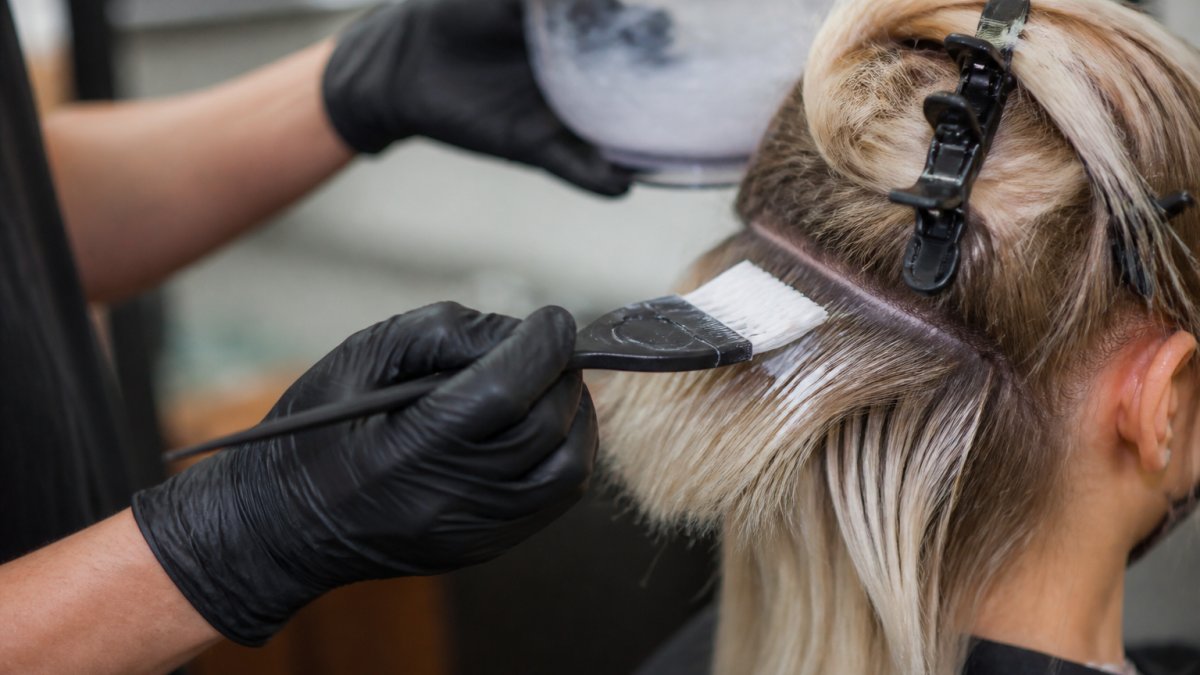
Bristle quality directly impacts control. Synthetic bristles designed for color application maintain their shape through repeated immersion in chemical formulations. Natural bristles absorb moisture and lose their structure faster, making them unreliable for consistent results. The bristle density affects how much color the brush holds, thinner bristles release color gradually for detailed work, while denser bristles deposit more product for base color application.
Handle ergonomics matter more than many colorists realize. A grip that's too thin causes hand cramping by afternoon. A grip that's too thick creates fatigue in a different way. The weight distribution of the brush affects wrist strain during repetitive motions. Professional brushes balance these factors, allowing you to work comfortably through a full client roster without hand soreness limiting your next day's performance.
Product Club vs Professional-Grade: The Real Cost Difference
Product Club offerings, typically budget-friendly brush and bowl sets marketed to salon students and emerging professionals, promise affordability but obscure the true cost of ownership when compared to professional-grade equipment. Understanding this comparison requires moving beyond sticker price to calculate total cost per use over the tool's working life.
Product Club tool characteristics: Most Product Club sets include synthetic-bristle brushes with basic plastic handles and standard plastic or ceramic bowls. These tools are engineered for occasional use or learning environments, not high-volume salon work. The bristles are often thinner and less densely packed than professional alternatives, requiring more passes to deposit color evenly.
Professional-grade tool characteristics: Professional salon tools feature reinforced synthetic bristles (often with proprietary bristle treatments for color retention), weighted handles designed for neutral wrist positioning, and bowls made from stain-resistant ceramic or stainless steel. These tools are built to withstand hundreds of chemical immersions and daily handling pressure.
Cost-per-use calculation: A typical Product Club brush set lasts 6-12 months under professional use (roughly 200-300 applications before bristles fray or separate). A professional-grade brush set lasts 2-3 years (600-900 applications).
Where the real cost difference emerges is in replacement frequency and time efficiency. A colorist replacing budget brushes every 8-10 months will incur higher annual replacement costs. Professional-grade brushes replaced every 2-3 years will result in lower annual costs.
Time cost matters more than most colorists calculate. Budget brushes require more passes to apply color evenly, adding 2-5 minutes per client application. In a salon where a colorist serves 8-12 clients daily, that's 16-60 minutes of lost productivity per day.
Durability compounds the advantage. Product Club bowls absorb stains within 3-6 months of regular use, requiring replacement or creating a perception of poor studio hygiene. Professional bowls maintain appearance through 2-3 years of daily use. The psychological cost of replacing stained bowls frequently, both in expense and in the impression clients form about your studio, favors professional equipment.
Warranty and repair access: Most Product Club tools carry limited or no warranty. Professional-grade equipment often includes warranties and access to replacement parts (bristles, handles, ferrules). This means a professional brush with a loose bristle may be repaired; a budget brush is often discarded. Over time, repairability extends tool life and reduces total cost of ownership.
Building Your Professional Hair Colorist Tool Kit Essentials
A complete professional hair colorist tool kit essentials includes more than just bowls and brushes. You need variety to match different techniques and client needs. A basic professional setup includes:
- Two to three tint bowls in different sizes for mixing and application
- At least three brushes with varying bristle densities for different techniques
- Sectioning clips designed for secure grip without slipping
- Mixing tools that won't react with chemical formulations
This foundation covers most color work. As you specialize in specific techniques, balayage, dimensional color, glossing, you'll add specialized tools. The key is starting with quality basics rather than accumulating cheap tools that don't perform consistently.
Durability and Ergonomics: What Matters During High-Volume Days
Professional use demands durability and ergonomic design that budget tools cannot match. The distinction becomes apparent within the first week of high-volume work, when cumulative strain and tool wear accelerate.
Material durability under chemical exposure: Premium bowls resist corrosion from repeated immersion in peroxide, ammonia, and other color-processing chemicals. Standard plastic bowls degrade faster, becoming brittle and discolored. Budget synthetic bristles lose their shape after fewer color applications; professional-grade bristles maintain structure through more applications because they're treated to resist chemical absorption. The ferrule (the metal band holding bristles to the handle) on professional brushes is typically durable; budget alternatives use cheaper metals that corrode or loosen, causing bristles to shed mid-application.
Ergonomic factors that compound during high-volume days:
-
Handle diameter and grip texture: A handle that's too thin can cause finger cramping. A handle that's too thick can create fatigue in the palm and forearm. Professional brushes typically feature handles with textured, non-slip surfaces. Budget brushes often use smooth plastic that becomes slippery when wet, forcing you to grip harder to maintain control, increasing hand fatigue.
-
Weight distribution: Professional brushes are engineered to balance weight toward the bristles (not the handle), reducing the effort required to hold and maneuver the brush. This matters during extended workdays, when cumulative fatigue affects precision and speed.
-
Bristle angle and wrist positioning: Professional brushes are designed with wrist ergonomics in mind; budget brushes prioritize cost reduction over positioning comfort.
Specific durability tests for high-volume use:
When evaluating tools, test them under conditions matching your actual workload. A brush that feels fine during one application may reveal problems during a full day:
-
Bristle shedding: Apply color to 5-10 client sections and observe whether bristles shed into the color mixture. Professional brushes shed minimally (0-2 bristles per 10 applications); budget brushes often shed 5-10+ bristles, contaminating color and requiring frequent cleaning.
-
Bristle fraying: After 20-30 applications, inspect bristle edges under magnification. Professional bristles maintain sharp, clean edges; budget bristles fray or split, creating uneven color application and requiring more passes per section.
-
Handle integrity: Drop the brush from waist height onto a hard floor. Professional handles withstand repeated drops without cracking; budget handles often crack or split, exposing the ferrule and allowing bristles to loosen.
-
Bowl stain resistance: Mix color in the bowl daily for two weeks. Professional bowls show minimal discoloration; budget bowls absorb pigment visibly, requiring aggressive scrubbing or replacement.
Long-term ergonomic impact: Colorists who use budget tools with poor ergonomics report hand soreness, wrist pain, and reduced productivity by mid-afternoon. Over months, this compounds into chronic pain that affects work quality and career longevity. Professional tools designed for ergonomic comfort reduce these risks, allowing you to maintain precision and speed throughout a full client roster without pain limiting your next day's performance.
Common Mistakes When Choosing Color Tools
Many colorists choose tools based on price alone, overlooking performance factors that affect daily work. The first mistake is underestimating how much time you spend holding and using these tools. A brush in your hand 6-8 hours daily deserves more consideration than one you use occasionally.
The second mistake is assuming all brushes perform the same way. Different bristle types, densities, and shapes suit different techniques. A brush excellent for base color application may be wrong for detailed balayage work. Professional colorists typically need multiple brushes rather than one multi-purpose option.
The third mistake is ignoring maintenance requirements. Professional tools last longer because they're designed for proper cleaning and care. Using the wrong cleaning products or storing tools improperly accelerates wear. Understanding how to maintain your equipment extends its lifespan significantly.
The fourth mistake is buying everything at once before understanding your actual needs. Start with quality basics, then add specialized tools as you identify specific gaps in your workflow. This approach prevents purchasing tools you rarely use while ensuring you have what you need most.
Choosing between budget options and professional-grade equipment ultimately determines how efficiently you work and how long your tools last. At ESTL+CO, we've engineered stain-resistant tint bowls and ergonomic feathered brushes specifically for colorists who demand precision and performance through high-volume days. Our tools are designed by professionals who understand exactly what you need to blend, apply, and define with absolute ease. Get started with ESTL+CO and experience how the right equipment transforms your daily workflow.
Frequently Asked Questions
What makes professional hair color tools better than budget-friendly options?
Professional hair color tools are engineered for high-volume use with durable materials, ergonomic design, and stain-resistant construction. Budget options wear out faster, cause hand fatigue, and often deliver inconsistent color application. For colorists working 8-10 hours daily, professional tools reduce strain, improve precision, and maintain performance over months of use, offsetting the upfront investment through durability and workflow efficiency.
Are stain-resistant tint bowls worth the extra cost?
Stain-resistant bowls prevent permanent discoloration from permanent color, bleach, and toners, keeping your tools looking professional and lasting longer. Standard bowls absorb stains, become difficult to clean, and require replacement every few months. For colorists performing 15-20 services weekly, stain-resistant bowls eliminate replacement costs and maintain a polished studio appearance, making them a practical investment rather than a luxury feature.
How do feathered brushes improve application speed and precision?
Feathered brushes are designed with tapered bristles that allow smoother blending, faster saturation, and better control during complex techniques like balayage and foil work. The feathered design reduces bristle drag, enabling more precise sectioning and application with fewer strokes. Professional colorists report faster application times and cleaner results, particularly on detailed color work that demands accuracy and speed.
Should I invest in professional tools if I work out of a rental studio?
Yes. Professional-grade tools are built for transport and daily use across multiple locations. They withstand being packed frequently without losing bristle integrity or bowl durability. Since rental colorists move between studios, investing in durable, portable tools ensures consistent performance and reduces the need for frequent replacement, saving money and maintaining quality across all your work environments.