

Feathered Bristles for Balayage: Why Pros Choose Them
Table of Contents
- What Feathered Bristles Actually Do for Balayage
- Feathered vs. Firm Bristles: Key Differences That Matter
- Balayage Brush Types and When to Use Each
- How to Blend Balayage with a Feathered Brush
- Best Tools for Balayage Application and Precision
- Ergonomics and Hand Health: The Real Impact
- Maintenance and Durability for Professional Use
- Frequently Asked Questions
Last Updated: September 3, 2026
What Feathered Bristles Actually Do for Balayage
Feathered bristles are tapered, flexible brush tips designed to create soft, diffused edges when applying lightener or tint during balayage. Unlike firm bristles that deposit color in defined lines, feathered bristles distribute product across hair sections, producing seamless transitions between colored and uncolored hair. Balayage demands precision without harsh demarcation lines, the entire technique depends on achieving a natural sun-kissed finish that looks intentional yet unforced.
Feathered bristles distribute lightener gradually, giving you control over the gradient effect from root to mid-length. A colorist working with feathered bristles can work faster because the brush does some of the blending work automatically. At ESTL+CO, we engineered our feathered brushes specifically for this application. The tapered tip allows precise placement while the flexible bristles prevent harsh lines. Many colorists report that feathered bristles reduce hand fatigue during long sessions because you apply less pressure to achieve the same saturation.

A balayage application with the wrong brush type forces you to compensate with technique, extra blending strokes, and heavier hand pressure. Feathered bristles eliminate that compensation, delivering the result the technique demands without working harder.
Feathered vs. Firm Bristles: Key Differences That Matter
Firm bristles hold their shape and apply product in concentrated deposits, ideal for precise sectioning and foil work. Feathered bristles bend and flex under pressure, dispersing product across a wider surface area. With firm bristles, you place the lightener, step back, assess the line, then blend the edges, two separate actions. With feathered bristles, the blending happens as you apply, creating a gradient that reads as intentional.
Feathered brushes typically have lower bristle density than firm options, giving you more control over saturation (peer-reviewed research). You can build color gradually rather than oversaturating on the first pass. Oversaturation creates brassy tones and uneven processing, problems that feathered bristles help you avoid by design.
Firm bristles excel at foil work and sectioning because they maintain precise edges. But for freehand balayage application, feathered bristles outperform firm options consistently.
| Bristle Type | Best For | Application Speed | Blending Control | Product Saturation |
|---|---|---|---|---|
| Feathered | Freehand balayage, seamless blending | Faster | High | Gradual, buildable |
| Firm | Foil work, precise sectioning | Standard | Moderate | Concentrated |
Balayage Brush Types and When to Use Each
Balayage work demands different tools depending on technique. The brush width you select determines how much hair you can cover per stroke. Most professionals carry two sizes: a medium brush for general application and a narrower brush for detail work around the face and hairline.
The ESTL+CO Hair Color Brush features a wide feathered tip that balances coverage with control. The Elegance Collection design provides a comfortable grip during extended application sessions and works for both broad sections and detail work, making it versatile enough for most balayage techniques without needing multiple tools.
Tapered-end brushes create a point at the tip, allowing you to separate individual sections without disturbing surrounding hair. A tapered feathered brush gives you both the blending properties of feathered bristles and the sectioning precision of a tapered tip.
Fan-shaped brushes cover large areas quickly but can deposit too much product without careful pressure control. Feathered brushes give you more forgiving application because the bristles naturally moderate saturation.
An ergonomic handle reduces hand strain and allows you to maintain consistent pressure throughout the application. A poorly designed handle forces you to grip tighter, fatiguing your hand and wrist. This is why brush selection extends beyond bristle type, the entire tool needs to support your technique and protect your physical health.
How to Blend Balayage with a Feathered Brush
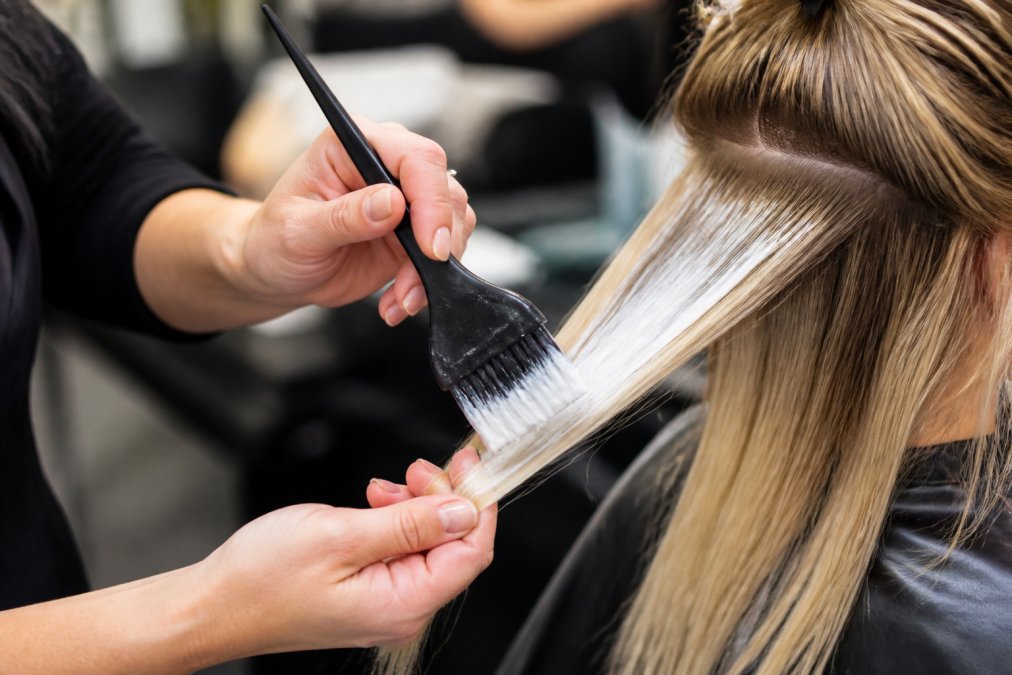
Hold the brush at approximately 45 degrees to the hair surface, allowing the tapered tip to lead while the wider bristle base follows. This angle lets the bristles flex naturally as they move through the section, creating the gradient effect that defines seamless blending. Your pressure should feel light, the bristles do the work, not your hand.
Begin your application at the mid-length of the hair section, not at the roots. This prevents over-processing near the scalp and gives you space to feather the product upward. Make your first stroke deliberate and slow, watching how the feathered bristles distribute the lightener. Work in a downward direction after your initial upward stroke, using overlapping strokes that prevent striping and create continuity across the section.
Hair sectioning determines blending success. Divide your client's hair into workable sections before you begin. Smaller sections give you more control and prevent oversaturation. Maintain consistent pressure and stroke speed throughout each section.
For subtle dimension, 2-3 blending strokes per section suffices. For more dramatic contrast, 4-5 strokes build the color gradually without oversaturating. This gradual approach prevents harsh lines that firm bristles often require multiple passes to soften.
Common mistakes include holding the brush perpendicular to the hair, applying product before the bristles are properly positioned, and moving too quickly through the section. A feathered brush requires slower, more deliberate strokes that let the bristles work.
Best Tools for Balayage Application and Precision
The ESTL+CO Hair Color Brush represents professional-grade equipment designed specifically for precision color work. At $16.00, it delivers salon-grade performance without premium pricing. The wide feathered tip enables seamless blending while the ergonomic handle reduces hand fatigue during extended application sessions. The stain-resistant bristles maintain their integrity across hundreds of applications, making this a durable investment for professionals working high-volume schedules.
Professional-grade tools differ from basic options in bristle quality and handle design. Synthetic fibers used in quality feathered brushes resist chemical degradation from lightener and tint (peer-reviewed research). Lower-quality brushes absorb product, become stiff, and lose their flexibility. Professional brushes maintain their feathered shape throughout their lifespan because the bristle material was engineered for color chemistry exposure.
Bristle density in professional tools balances coverage with control. Too-dense bristles deposit too much product and resist blending. Too-sparse bristles don't hold enough product for efficient application. Professional feathered brushes hit the middle ground, allowing you to build color gradually while maintaining enough bristle contact for proper saturation.
Consider investing in at least two brushes if you work balayage regularly. A primary brush handles most applications while a backup prevents service interruptions. The ESTL+CO brush design works well as both your primary and backup tool because it handles the full range of balayage techniques.
Ergonomics and Hand Health: The Real Impact
Repetitive strain from brush work accumulates silently until pain becomes unavoidable. A feathered brush with poor ergonomic design forces you to grip tighter because the bristles don't perform as expected. That extra pressure multiplies across hundreds of applications, creating tension in your forearm, wrist, and hand. A properly designed feathered brush like the ESTL+CO Elegance Collection requires minimal grip pressure because the bristles handle the blending work.
The handle shape directly influences grip pressure and hand position. A wider, contoured handle allows your fingers to rest naturally without tension. A thin, cylindrical handle forces your fingers to curl and grip tightly, fatiguing your hand quickly. The difference becomes obvious within the first service.
Hand strain affects more than comfort, it impacts your technique consistency. When your hand is fatigued, you unconsciously increase pressure to compensate for reduced control. Ergonomic tools help you maintain consistent technique throughout the day because you're not fighting fatigue.
Wrist position matters as much as grip pressure. A brush handle designed for proper wrist alignment prevents the repetitive flexing that creates carpal tunnel symptoms (the CDC). An ergonomic handle allows your wrist to stay relatively neutral, reducing strain on the tendons and nerves running through your wrist.
The cumulative effect of proper ergonomics shows over years of practice. Colorists using well-designed tools maintain hand health and technique consistency into their later career years. Colorists using poorly designed tools often develop chronic pain that forces them to reduce their workload or leave the profession entirely.
Maintenance and Durability for Professional Use
Feathered brushes require proper cleaning to maintain their performance and lifespan. After each use, rinse the brush thoroughly under warm water while gently working the bristles to remove product. For stubborn buildup, soak the brush in warm water for 10-15 minutes before rinsing. Never use harsh chemicals or high-temperature water because these degrade the synthetic fibers.
Stain resistance matters for professional tools because lightener and tint permanently discolor regular bristles. The ESTL+CO Hair Color Brush features stain-resistant bristles that maintain their appearance across hundreds of applications. Stain-resistant bristles resist the chemical degradation that causes regular bristles to become brittle and lose their flexibility.
Store your brushes bristle-up in a cup or holder that allows air circulation. Never store them bristle-down in a closed container because trapped moisture promotes mold growth and bristle degradation. Keep them away from direct heat sources because synthetic bristles can warp under high temperature.
Replace brushes when the bristles lose their flexibility or develop permanent bends. A brush that no longer feathers properly is costing you time and creating inconsistent results. Professional tools like the ESTL+CO brush typically last 12-18 months with daily use before replacement becomes necessary.
The investment in quality tools pays dividends through durability and performance. A cheap brush that lasts three months costs more per month than a professional tool that lasts 18 months. Beyond cost, the performance difference affects your client results and your physical health.
The right brush transforms balayage from a technique requiring constant compensation into a process that flows naturally. Feathered bristles do the blending work for you, reducing application time and hand strain while delivering the seamless results your clients expect. The ESTL+CO Hair Color Brush delivers professional-grade performance at an accessible price point, making it the practical choice for colorists serious about their craft. Start with one brush and experience how feathered bristles change your balayage application, most professionals never go back to firm alternatives once they feel the difference.
Frequently Asked Questions
Q: What makes a feathered brush better for balayage than a firm bristle brush?
A: Feathered bristles have tapered, flexible ends that create a softer edge when applied to hair, producing a natural gradient and seamless blending. Firm bristles deliver a more defined application but can leave harsh lines if not carefully controlled. For balayage, where the goal is a sun-kissed finish with subtle color transitions, feathered bristles allow you to distribute lightener more gradually and blend colors without visible demarcation, reducing the need for multiple correction passes.
Q: How do feathered bristles improve color saturation and blending in balayage?
A: The tapered design of feathered bristles allows for better product saturation and more even distribution across hair sections. The flexible fibers fan out slightly during application, spreading lightener or tint across a wider area while maintaining control. This results in more uniform color placement and smoother transitions between highlighted and base tones. The bristle density also prevents over-saturation in one spot, which helps achieve the natural, multi-dimensional look balayage requires.
Q: Can a feathered brush help prevent harsh lines and streaky results in balayage?
A: Yes. Feathered bristles are specifically designed to create soft, diffused edges that blend color gradually into surrounding hair. The flexible fibers work to feather out product at the edges of each application, eliminating the sharp demarcation lines that firm brushes can leave behind. This is especially valuable in freehand balayage application, where precision and natural-looking transitions are critical to avoiding the streaky appearance that results from uneven color placement or poor blending.
Q: How do you maintain professional feathered tint brushes for longevity?
A: Rinse feathered brushes immediately after use with warm water to prevent lightener or tint from hardening on the bristles. Use a gentle cleanser or brush shampoo, working the lather through the bristles with your fingers. Avoid soaking brushes for extended periods, as this can weaken the bristle base. Store brushes bristle-side up in a cup or holder to maintain their shape. Stain-resistant brushes like the ESTL+CO Hair Color Brush ($16.00) are easier to maintain and resist discoloration, extending their working life in high-volume salon settings.
This article was written using GrandRanker